The Poppins Curriculum
Mindfulness Enrichment
Mindfulness pedagogy in Early Years is a way to equip children with the fundamental skills needed to self-regulate their growing range of emotions. Practicing mindfulness allows them to be present in the moment, subsequently developing pivotal skills such as self-awareness, empathy, focus and behaviour management to name a few.
Our Intent
We want children to feel safe, relaxed and loved.
We aim to develop early relationships as we know this strongly influences how children develop and having close, secure attachments are important for children’s healthy development.
We aim to build positive relationships with families to ensure children’s individual needs are met.
We want all of our children to leave Poppins feeling confident, calm and ready to take on new challenges. By engaging in mindful practices, this provides children with the skills needed to express their feelings confidently, whilst also considering the feelings of others. It also allows children to accept that all feelings are valid and builds up a repertoire of techniques needed to regulate these.
How we implement our intent with Mindfulness Enrichment
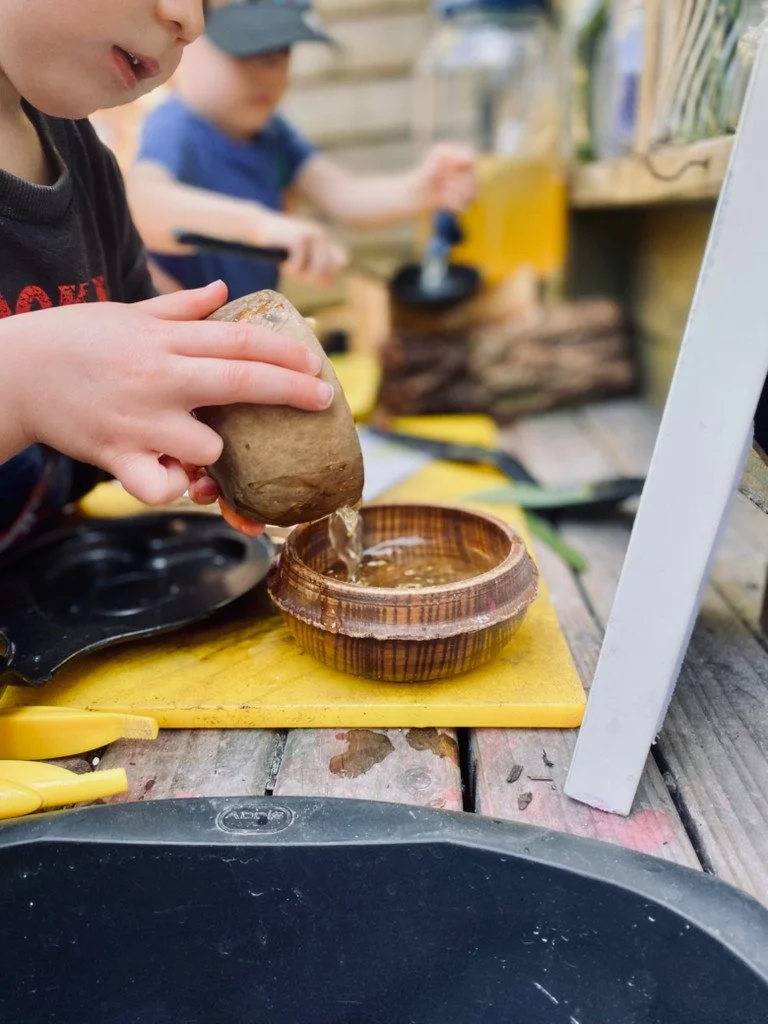
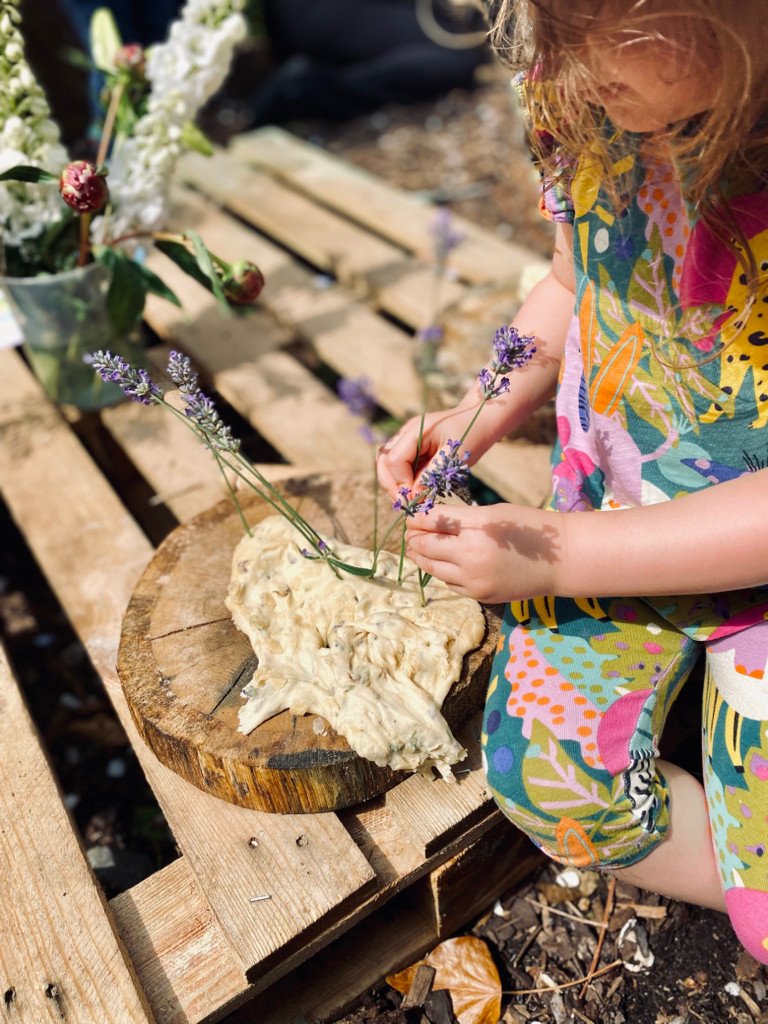
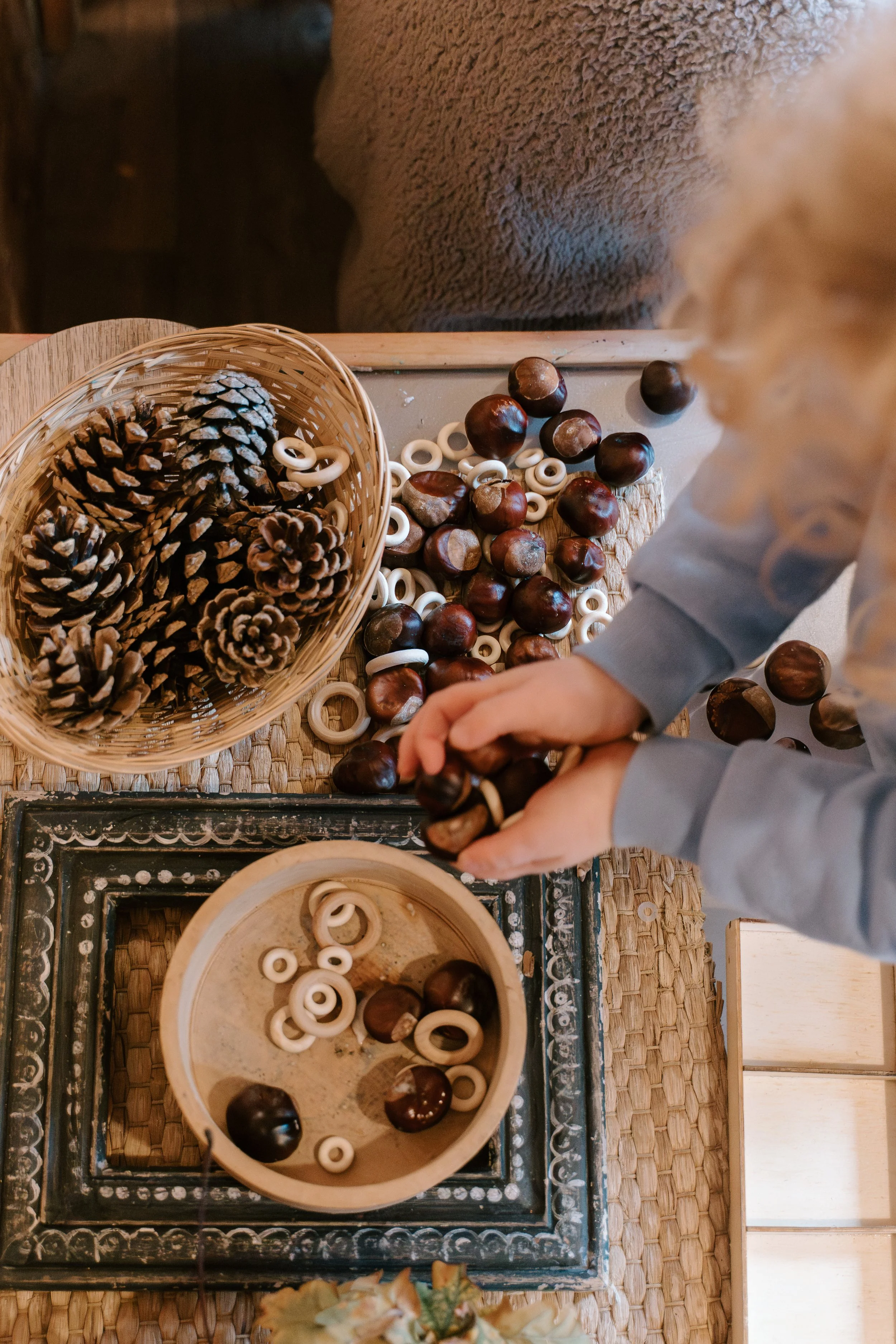
Sensory exploration through provocations involving playdough, water, paint, texture bags
Exploring feelings through open-ended resources (transient art faces, emotion spoons, mirrors, stories)
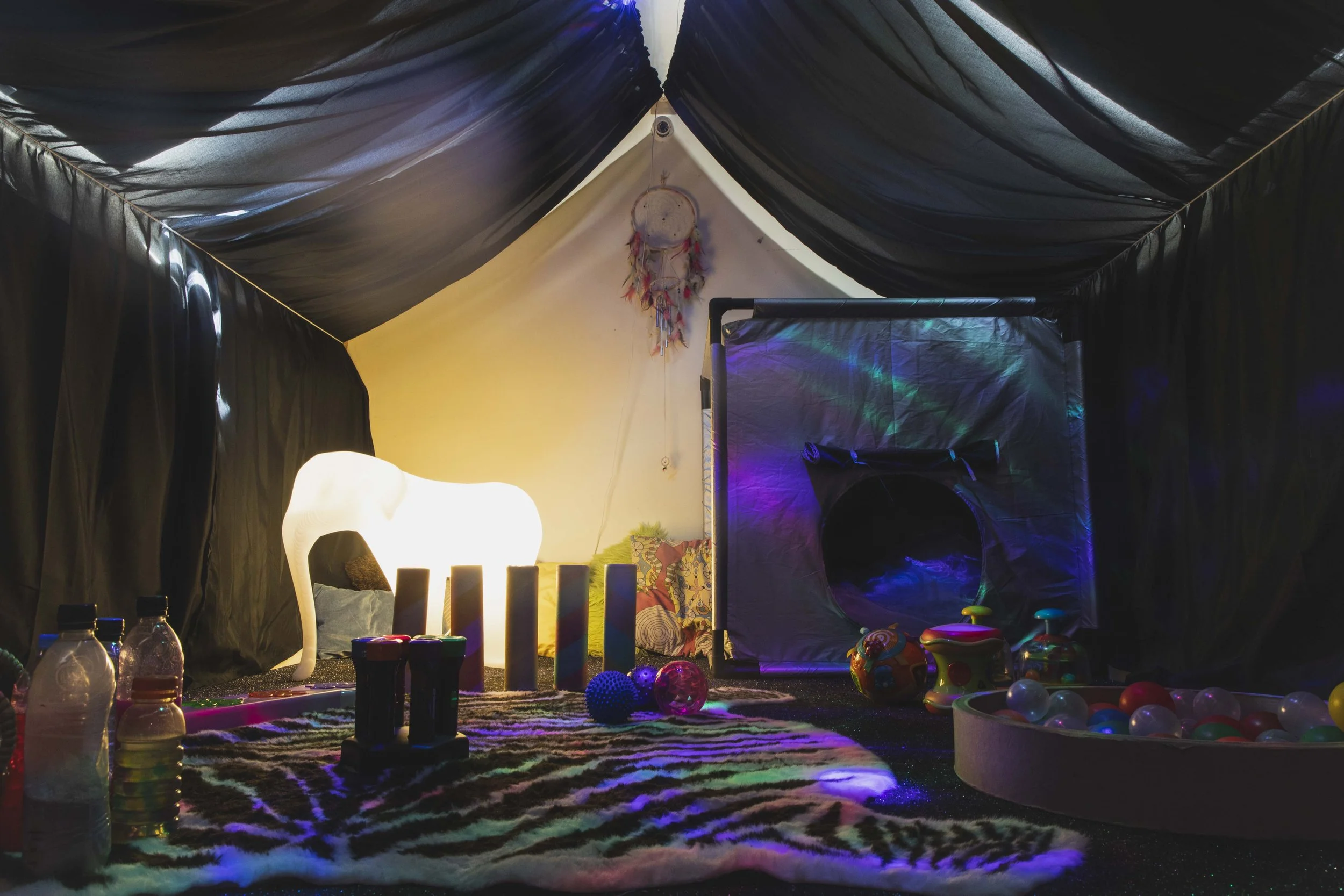
A moment of calm and reflection through guided meditation sessions
Developing breathwork through yoga poses and various breathing techniques
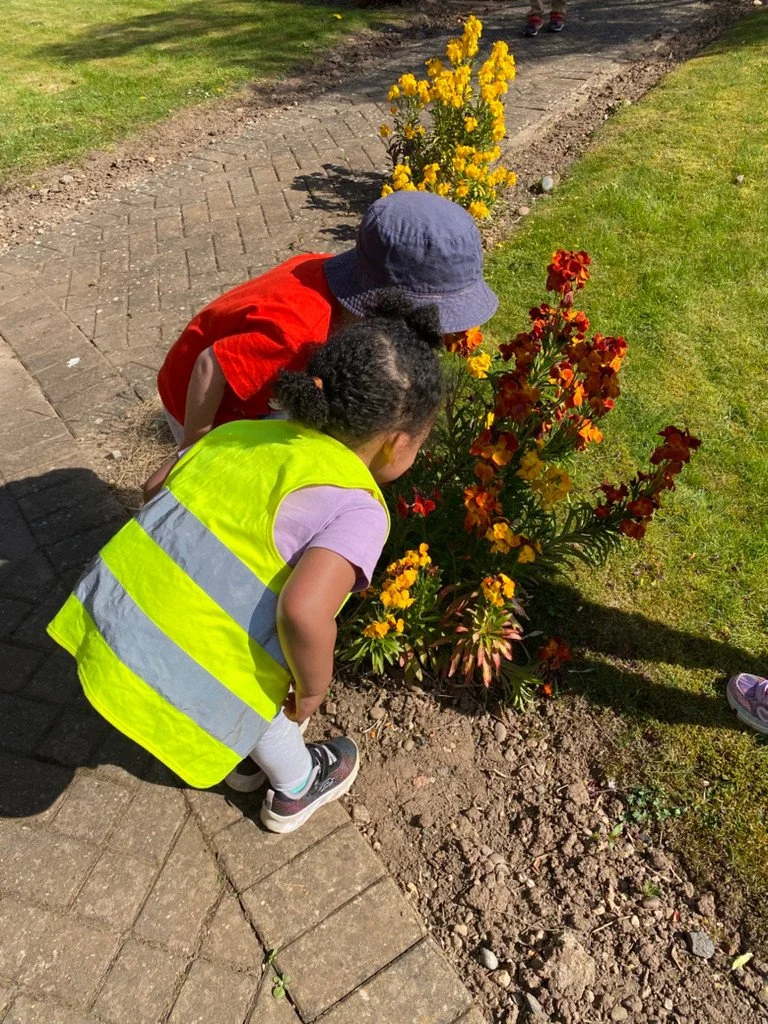
Outdoor scavenger hunts encouraging connection with the environment and awareness of everyday surroundings
Repeated positive affirmations to cultivate resilience and foster a sense of self-belief
Mindfulness is embedded within our daily curriculum at Poppins and is not just focused on during the day of the enrichment. This allows our children to feel safe, secure and listened to whilst at Poppins, and equips them with key skills when facing transitions.
Child-led learning: Following the children’s interests and promoting open-ended play allows our children to fully immerse themselves in the moment – which is what mindfulness is all about.
Routines: A consistent, yet flexible routine allows each child’s individual needs to be met, allowing them to feel secure. Including rest and relaxation time within the day also encourages the children to have a moment of reflection on their morning.
Positive relationships: We support and nurture attachments throughout the children’s time at Poppins. Our key person system allows children to create secure bonds with our staff. Pictures from home and close relationships with parents provide our children with a sense of belonging.
Self-confidence: Through encouraging independence and critical thinking skills by providing opportunities for challenge, our children build resilience, perseverance and self-confidence.
Core Principles
Child-led learning: This is something we feel very passionately about at Poppins. Invitations to play are always curated with the children’s interests at the forefront. We feel children embed knowledge and understanding and are more engaged when activities are tailored to them.
Acceptance: A key aspect of mindfulness is teaching children that all emotions are valid and will be listened to. Providing children with a variety of mindfulness techniques allows them to acknowledge their feelings and regulate them in the way that works best for them.
Embedded into daily practice: Mindfulness is incorporated into our daily routine in Hatchlings and Nestlings, whether this be at meal times, free flow or during transitions.
Holistic approach: We recognise that the practice of mindfulness has an effect on multiple aspects of learning and development. Supporting children’s personal, social and emotional development can have a positive impact on other areas of the EYFS curriculum too.
Practitioner knowledge: As a team we are very passionate about children’s mental health and emotional well-being and ways in which to support this. Following on from discussions with parents or identified next steps, we use this to reflect on our current practice and adapt the next time we revisit the enrichment.
Positive role models: Staff are positive role models for children and build a close bond with each and every child and their families.
Benefits
Develops focus, attention and listening skills.
Allows children to self-regulate their emotions and feelings.
Builds relationships and social skills through empathy and understanding.
Promotes self-esteem and positive self-talk.
Fosters a sense of belonging and security.
Enhances overall well-being.
Develops communication and language skills as children are more comfortable in verbalising their thoughts and feelings.