The Poppins Curriculum
Cultural Enrichment
Our cultural enrichment allows each child to develop a sense of belonging, being and becoming within their families, communities, and the wider world. This includes understanding their rights and responsibilities as citizens, respecting diversity, inclusiveness and showing empathy for others.
Our Intent
We want children to feel a sense of belonging at Poppins and in their community.
We want children and their families to feel secure, accepted and that they belong.
We want children to feel the diversity of communities are respected and celebrated.
We want children to recognise and value the diverse world we live in, including other languages.
We want children to recognise their own identity and what makes them unique.
We want ensure the uniqueness of each family, regardless of differences, is acknowledged and honoured.
How we implement our intent with our Cultural Enrichment
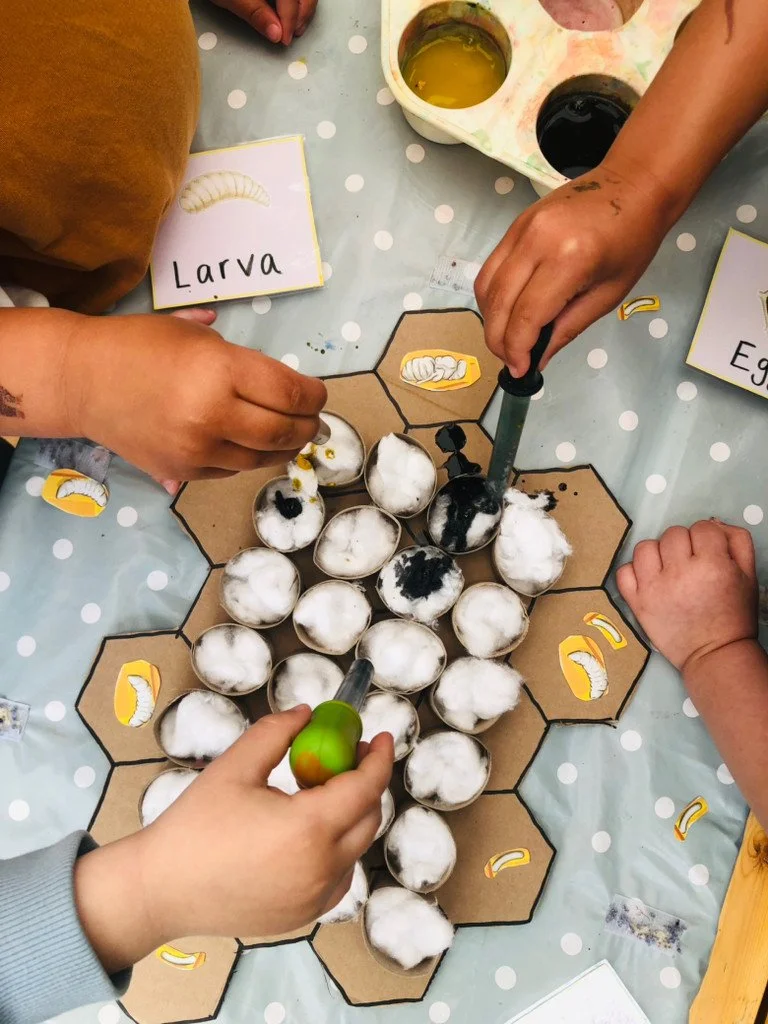
Provocations that culturally support and allow children to connect and to contribute to their world.
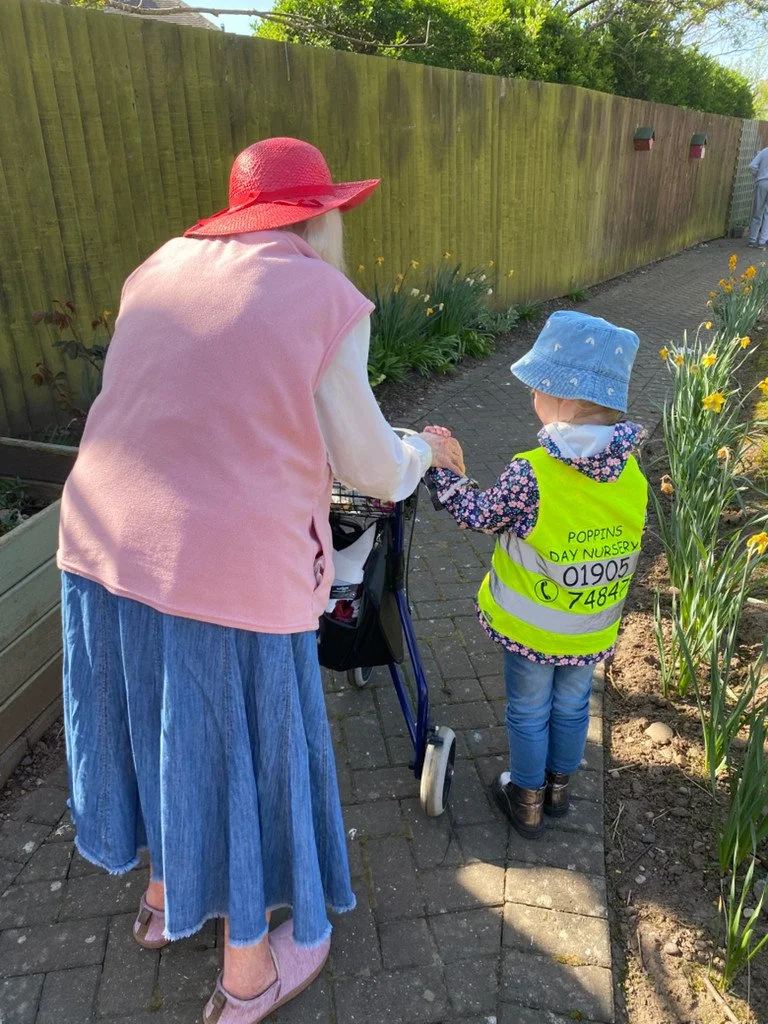
Fostering a sense of community in experiences that embrace, embed and benefit the wider community. Visits to care home fortnightly-building relationships, friendships with staff and residents. A celebration and acceptance of diversity. Demonstrating and showing understanding of respect, gentleness, kindness, acceptance. This in turn allows each child to actively contribute to these meaningful holistic moments and bring joy to others through friendship.
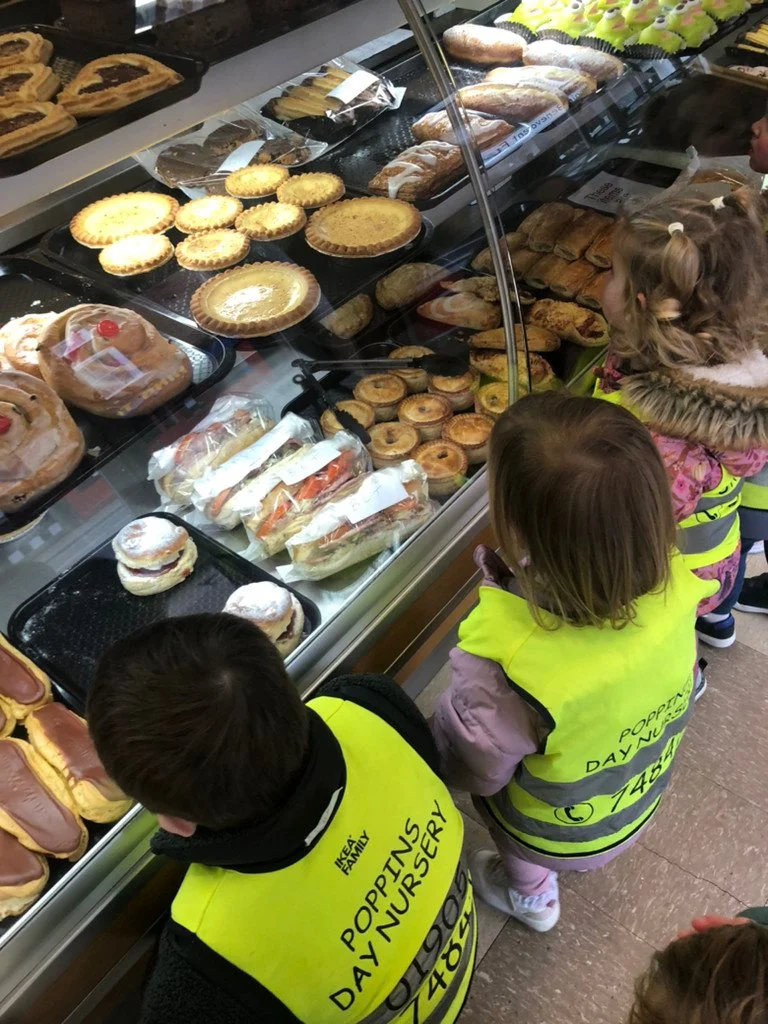
Excursions to the local libraries, shops, bakeries and parks. Children get to observe the world around them and the importance of community services as well as actively being part of the community.
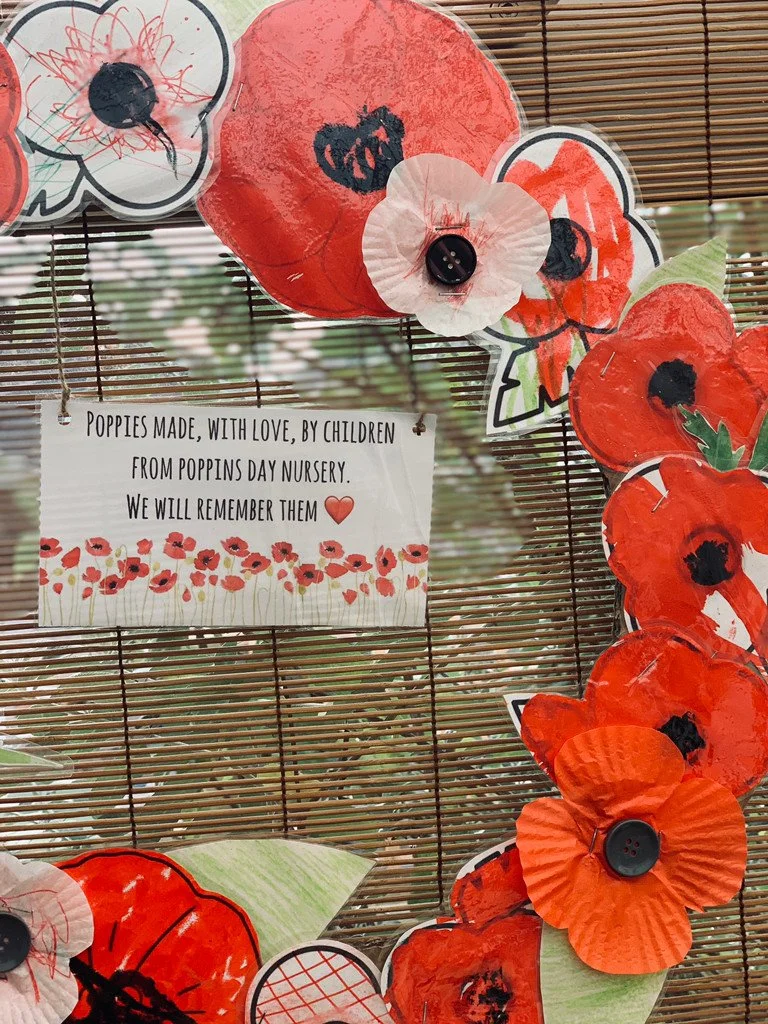
Annually being involved in the local remembrance service. Representing Poppins and acknowledging the importance of people in the local and wider community that serve and protect the people, community and our country.
Encouraging positive interactions by helping children learn how to resolve conflicts peacefully and work together.
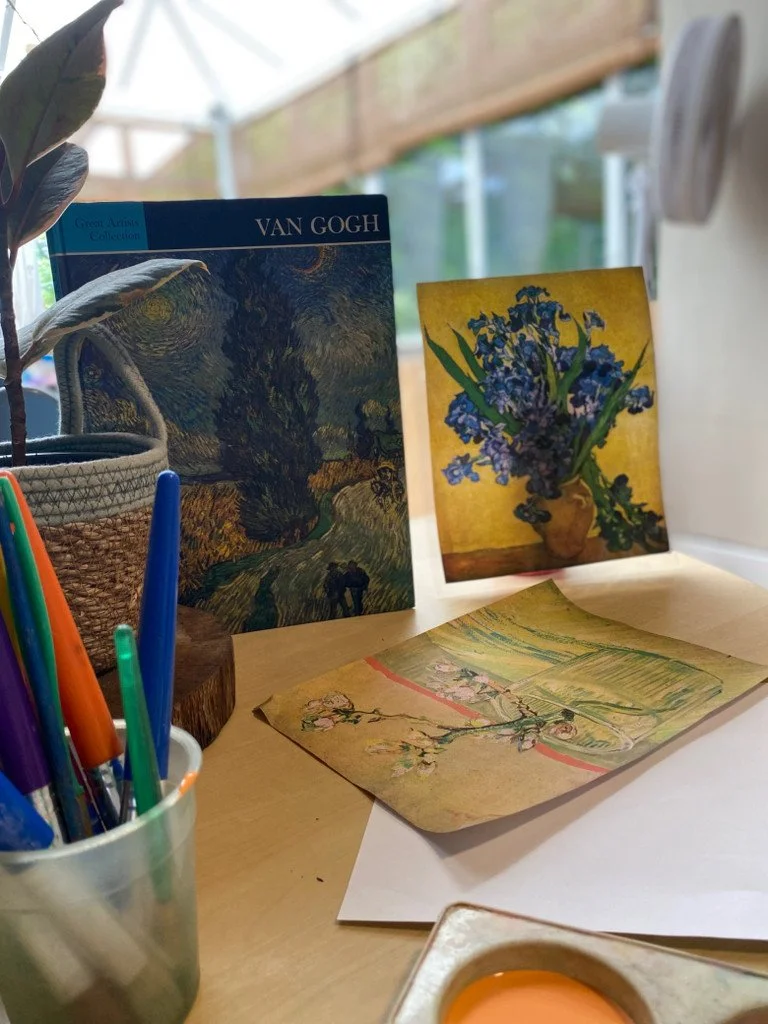
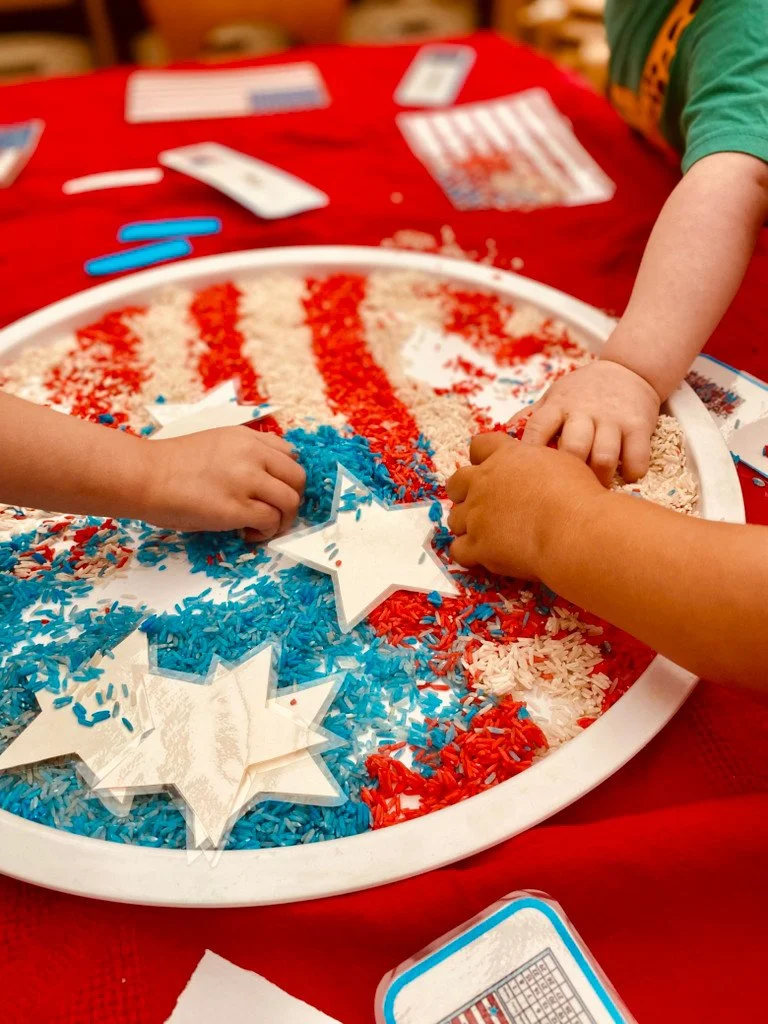
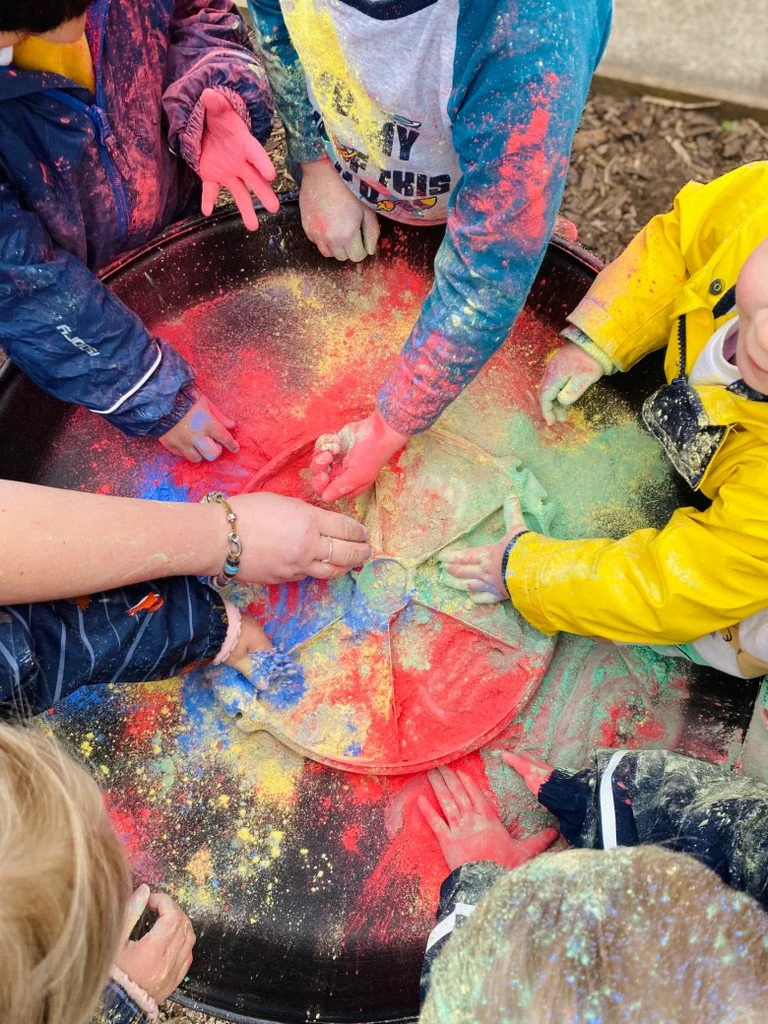
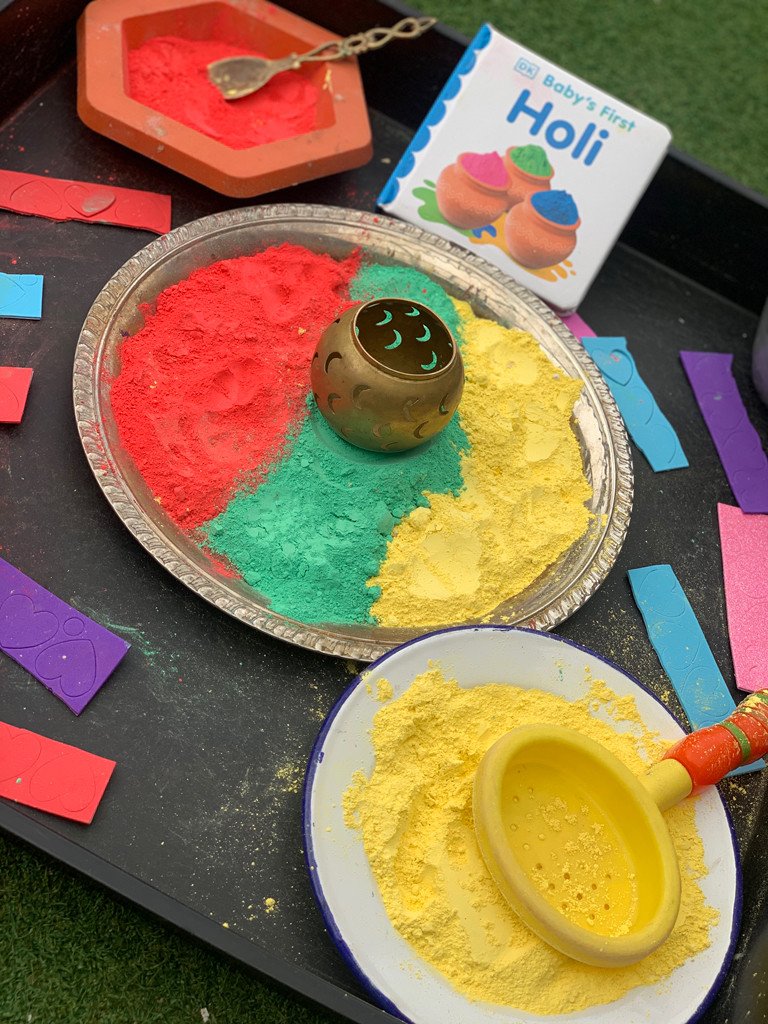
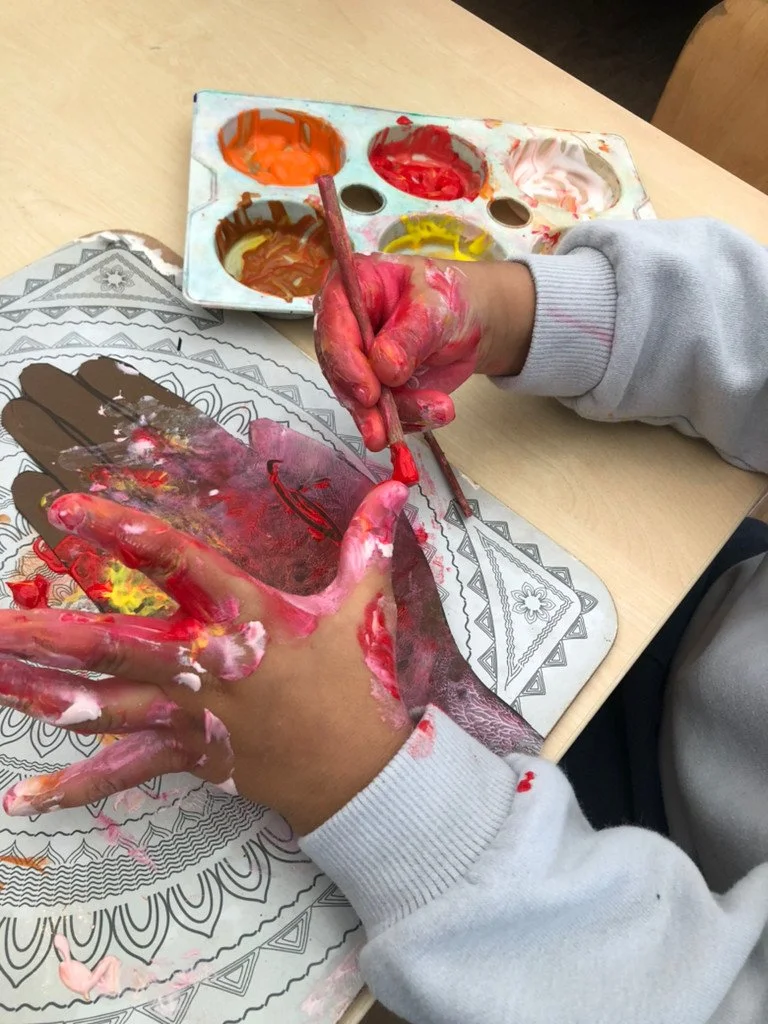
Promoting diverse cultures through celebrating and learning about different cultures and traditions in relation to our families and community such as seasons, Diwali, celebrations.
Educational resources, materials that scaffold, foster and support diversity, culture, understanding fairness and anti-bias (equitable learning environments).
Creating Inclusive learning environments where children feel safe, respected and valued for who they are regardless of their background. Each provocation is child led.
Culture is embedded within our daily routines at Poppins. Culture is not just focused on our enrichment days, as you can see above, by the examples that are provided. The above allows our children to develop a strong sense of connection to their world with an understanding of their role within it. As well as allowing each child’s voice to be heard through their ideas, culture and beliefs.
By embracing child-led learning, we create an environment where children not only develop a sense of connection but also become active and responsible citizens who respect diversity and contribute meaningfully to their world.
Self Confidence: A Child’s cultural identity contributes significantly to their overall sense of self and confidence. By celebrating and acknowledging a child’s individual, family and cultural heritage, practitioners can help children develop a strong sense of belonging, being and becoming. This in turn fosters a positive self – worth and confidence in their identity.
Core principles
Creating Inclusive Learning Environments: Creating environments that are welcoming, culturally relevant, and responsive to the diverse needs and interests of all children.
Intentional Teaching: Practitioners choose inclusive, diverse, culturally rich experiences that are significant and meaningful for the families, children and communities, in a safe meaningful way. It encourages children to explore different perspectives.
Supporting Children’s Agency: Children should be encouraged to participate actively in learning and decision making processes, recognising their rights and responsibilities as citizens.
Promoting Social Responsibility: Practitioners can support children’s development of social responsibility by providing opportunities for them to learn and celebrate about:- fairness, equality, respect, inclusiveness and the importance of working collaboratively together.
Using Play as a learning tool: Play is an instrumental tool for children to explore their identities, learn about diverse cultures, and to develop their social skills.
Engaging with Families and Communities: Practitioners should work closely with families and communities to learn about their cultural background and values, and to ensure that programming and curriculum is meaningful, respectful and responsive to their needs holistically.
Benefits
Foster greater understanding and acceptance.
Building reciprocal relationships.
Awareness of fairness and diversity.
Building a sense of confidence, belonging and purpose, becoming proactive citizens in the world that surrounds us.
Critical thinkers and doers, analysing information, to make formed opinions and engage in meaningful, constructive dialogue.
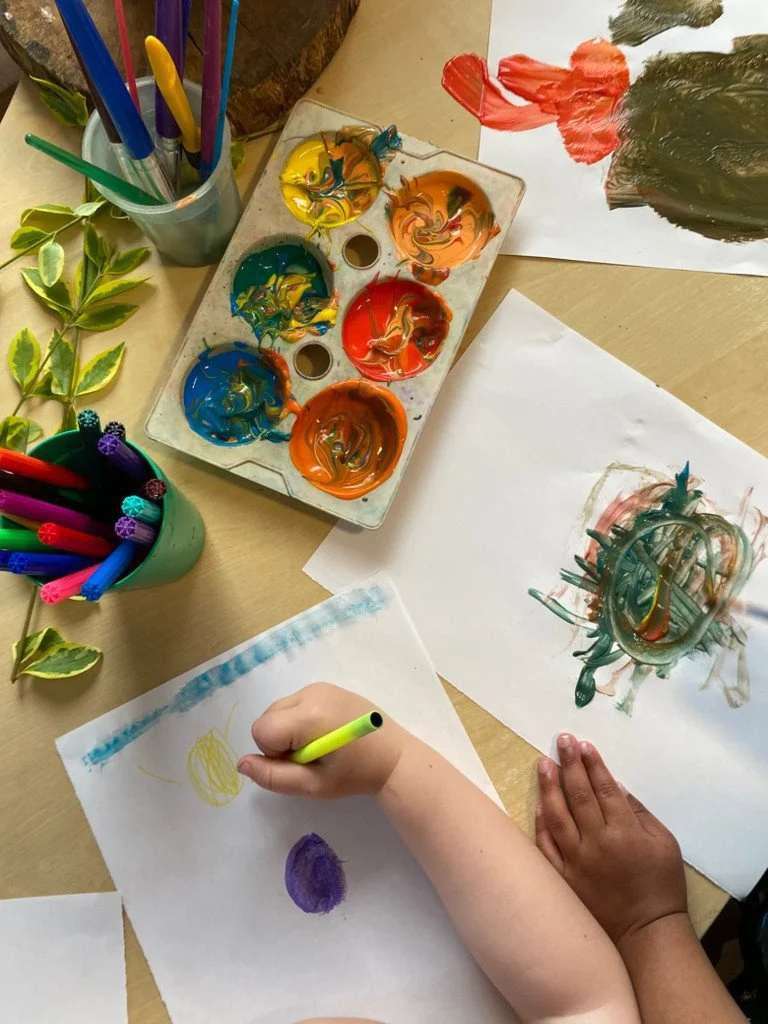
Here are some examples of our Cultural Enrichment taking place