The Poppins Curriculum
Cooking Enrichment
Cooking pedagogy in early years is hands-on science and artistic expression. It encourages children to be curious, imaginative, creative and confident in multiple areas, all whilst promoting healthy eating habits and a positive relationship with food.
Children learn life skills to be able to explore food further as they learn to use a knife and fork to feed themselves independently.
Our Intent
We want children to enjoy food, to build a healthy relationship with food and to learn about being healthy with our food choices and the impact food has on their body. We want children to develop skills that will increase their chances of making healthy choices as they grow and develop. For our under 2’s our cooking enrichments are an extension to their weaning process. We want the children to be introduced to tastes and smells through the process of developing curiosity around food. At this age it is about the process of ‘cooking’ and not the final product.
How we implement our intent in our Cooking Enrichment
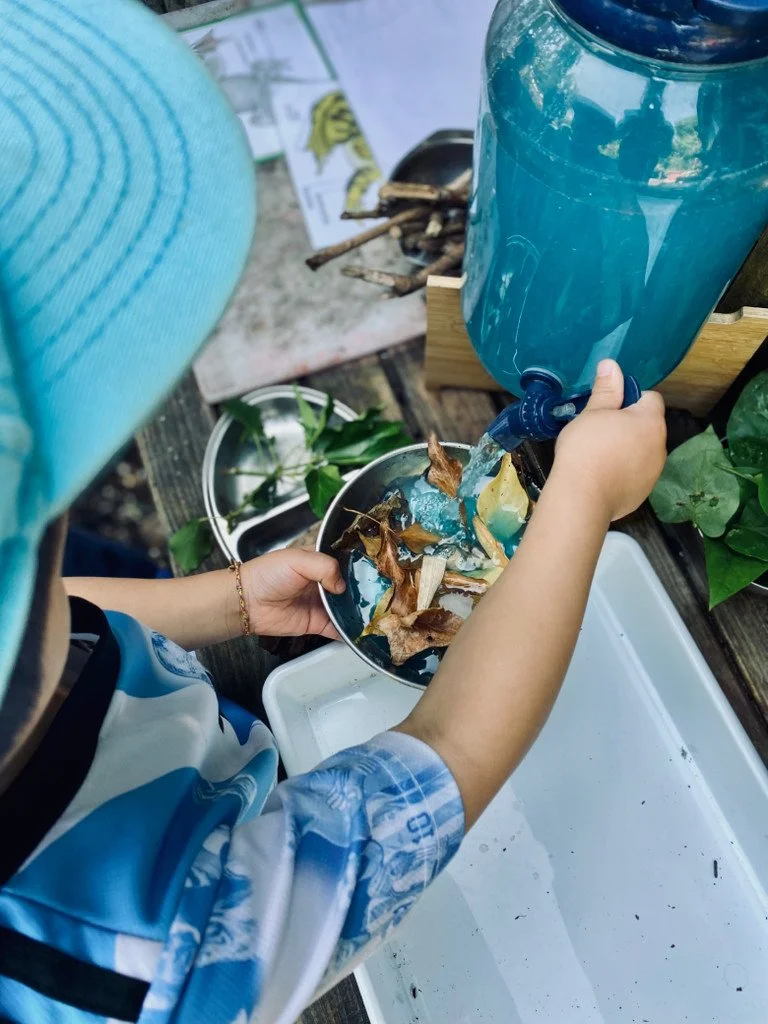
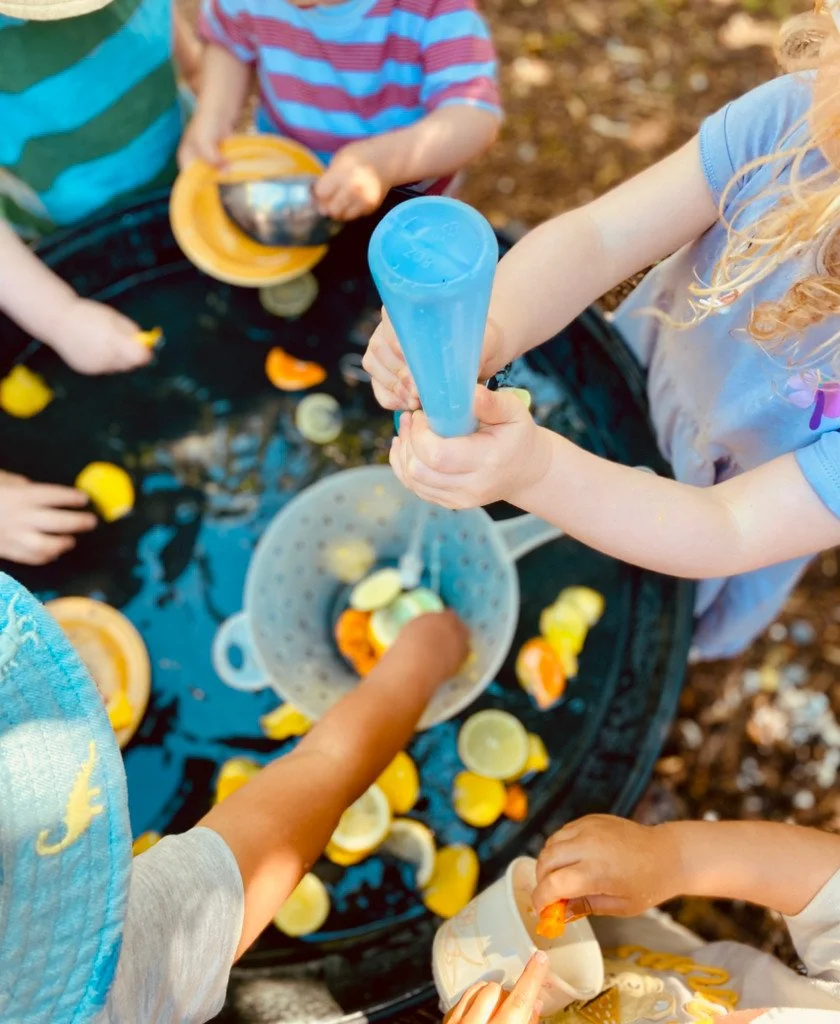
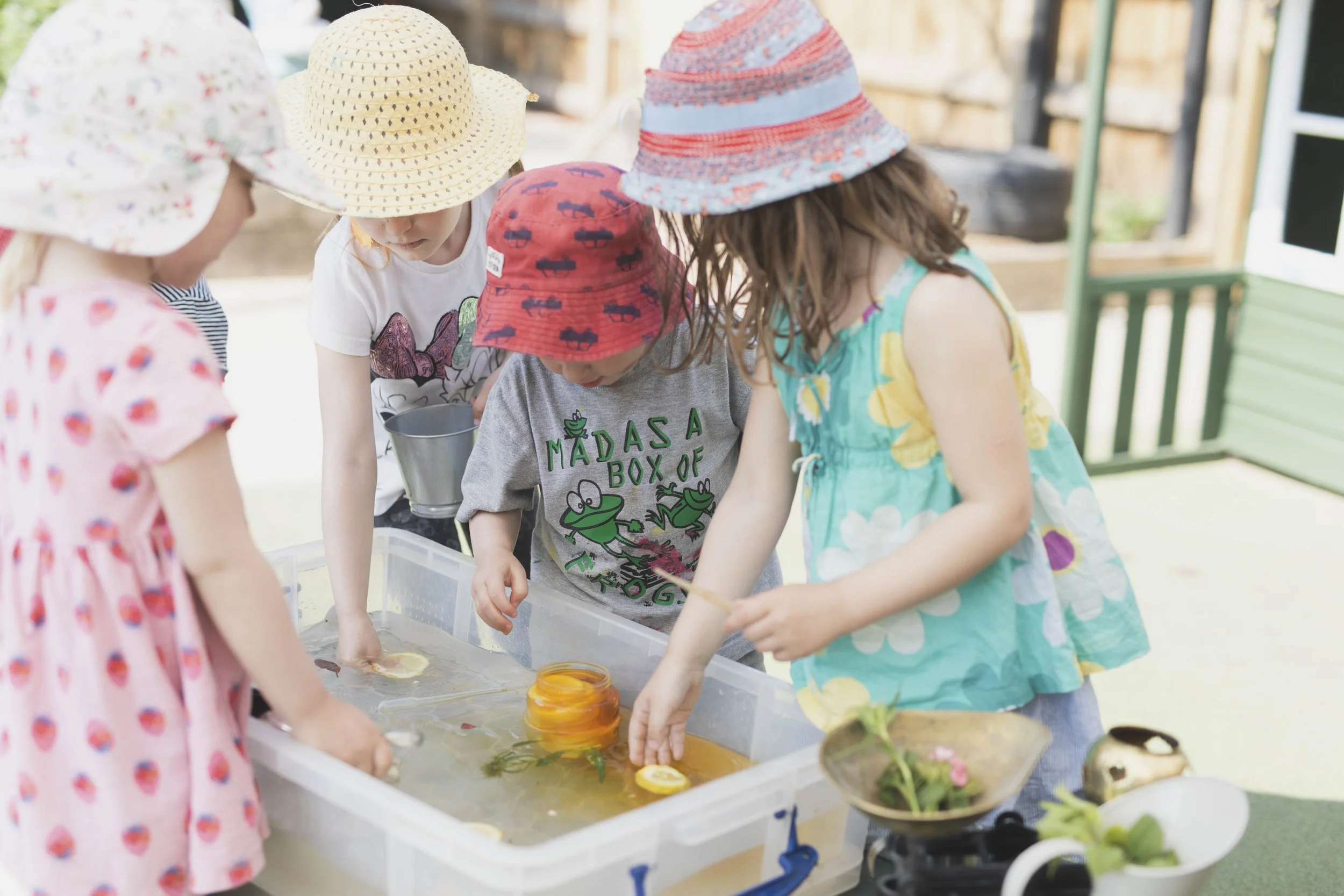
Sensory play using food items to explore our senses.
Smell bags containing herbs such as coriander and lemon balm.
Provide opportunities to taste food, smell food and touch food.
Cooking savoury foods gives children a chance to take part in activities to explore different types of food and taste new things.
Cooking different types of cuisine to give children opportunities to taste different types of food from around the world.
Baking sweet treats and decorating using our expressive minds to be creative.
Giving children opportunities to create life skills by safely being able to use a knife chopping ingredients and being able to use a knife and fork correctly for future use.
At meal times our children self-serve their own meals and drinks whilst sat at the table. Promoting independence and empowering the children to express their preferences. As well as teaching them crucial skills such as portion sizes, physical skills such as pouring and turn taking.
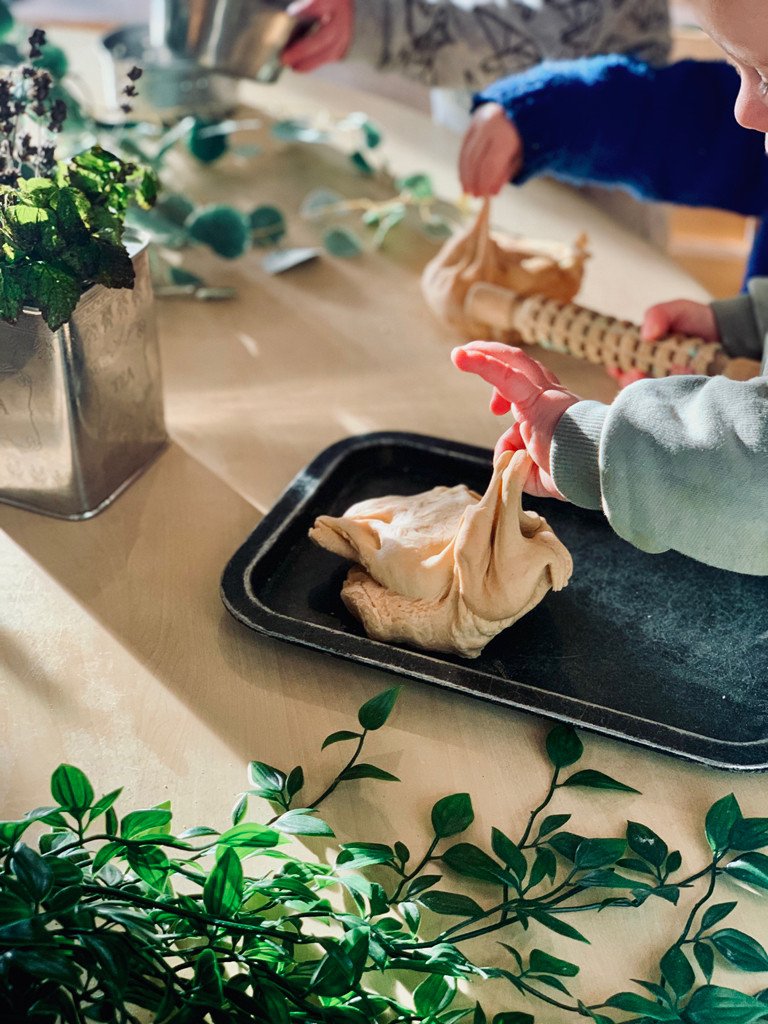
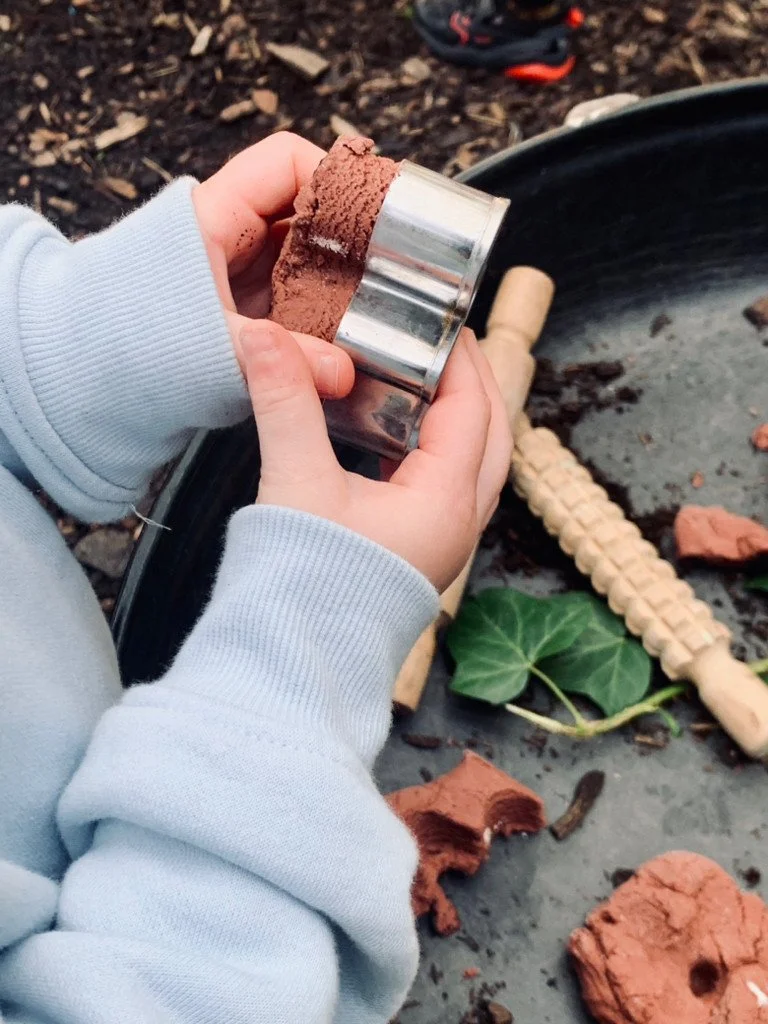
We allow our children to have sensory experiences through messy play such as tough trays. This allows them to explore their foods in different ways in a positive, enjoyable way.
During meal times and throughout the day we have conversations with our children discussing foods; how they are grown, what ingredients are in it, is it a healthy food. We always talk about food in a positive light to promote healthy relationships with food.
We have role play kitchens in both of our rooms and the children love cooking up meals. Practitioners also use this as a learning opportunity engaging in the children's play and setting up different scenarios such as a Valentines Cafe. We also set up invitations to play for example a teddy bears picnic, sharing out food between the teddy bears.
During different celebrations throughout the year the children may try different foods from around the world, for example Chinese New Year, Australia Day or Christmas.
Core principles
Mathematical science: The children get to use and develop crucial skills such as number concepts, measuring and pouring, sequencing and shapes and colours. As well the children get to learn about the science involved in cooking; the process of heating or cooling food.
Personal, social and emotional: Cooking and sharing food together is a universal experience. Cooking in small groups with familiar adults and children creates strong connections and enhances social skills through sharing, turn taking and conversations. Cooking provides opportunities to learn about different cultures and can be part of special celebrations, promoting diversity. It also gives the children the chance to articulate and express themselves as individuals.
Literacy: The children engage in meaningful language and learn a broader range of vocabulary such as recipes, mix, spread, whip and blend. They also develop their fine motor skills and cross the midline with gross motor movements which benefits writing skills later in life.
Benefits
Cognitive: Cooking inspires children's curiosity and critical thinking skills. For example blending fruit to create a smoothie helps children learn cause and effect.
Promoting independence: By cooking our children develop as individuals learning about their own preferences and tastes are able to vocalise these with practitioners and peers. They learn meaningful skills which they carry with them throughout their life such as slices, mixing and measuring.
Language and Mathematical development: Cooking provides opportunities to learn new vocabulary, to hear and understand sentences with cooking concepts such as mixing, kneading dough, counting and measuring.
Understanding a balanced diet: Learning about ingredients and how meals are prepared helps children understand the importance of eating a balanced diet. Involving children in meal preparation can encourage children to try new things and encourage healthy habits. Teaches the children the importance of a balanced healthy diet and fuelling our bodies with the right foods
Sensory exploration: Cooking engages multiple senses, creating a rich and enjoyable experience for children. Children will have the opportunity to smell, taste and feel types of food such as fruit, vegetables, herbs and spices.
Fine and gross motor skills: Activities like stirring, mixing, pouring help children develop their fine motor skills and hand eye co-ordination. Children will also be cutting with scissors, using a knife and fork and using larger utensils such as tongs, whisks and serving spoons. All these actions also help develop their muscle strength in their hands, wrists and shoulders which prepare children for writing later in school.